logo
Goede prijs  online

details van de producten

Huis > Producten >
Divers Chemisch product
>
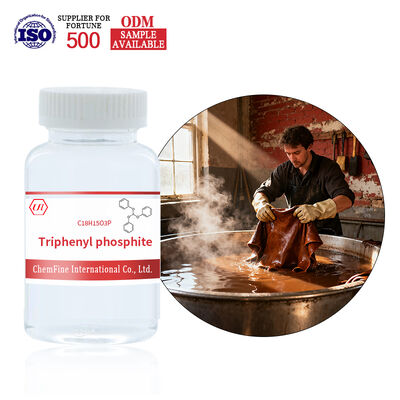
Triphenyl phosphite TPP CAS 101-02-0 Polymer Stabilizer

Triphenyl phosphite TPP CAS 101-02-0 Polymer Stabilizer

Merknaam: Chemfine
Detailinformatie
Plaats van herkomst:
China
Markeren:

Triphenyl phosphite polymer stabilizer

,

TPP chemical CAS 101-02-0

,

Polymer stabilizer phosphite compound

Productomschrijving
Product Introduction

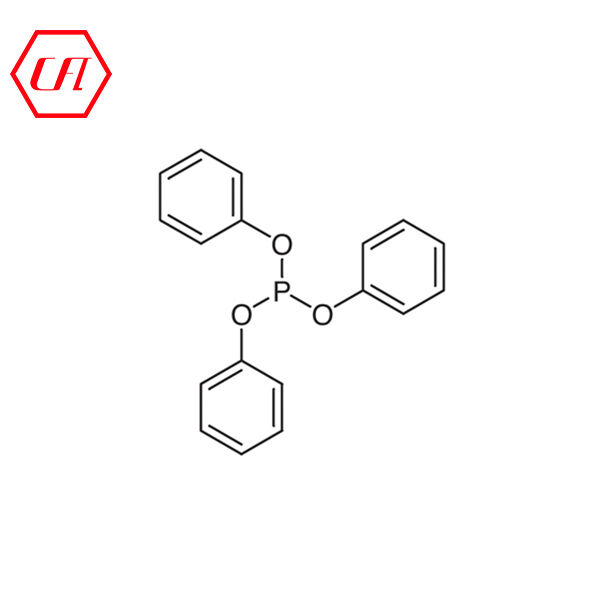
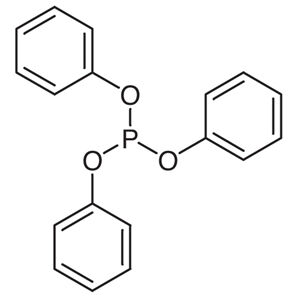
Triphenyl phosphite, frequently referred to as TPP, is a high-performance organophosphorus compound primarily utilized as a secondary stabilizer and antioxidant in the plastics and polymer industries. It functions as a powerful chelating agent and color inhibitor, preventing the degradation of materials during high-temperature processing. TPP is essential for maintaining the clarity and mechanical integrity of various synthetic resins and elastomers. Due to its excellent compatibility and efficiency, it is a standard additive for formulators seeking to improve the longevity and aesthetic quality of industrial plastic products.

Applications

PVC Secondary Heat Stabilizer

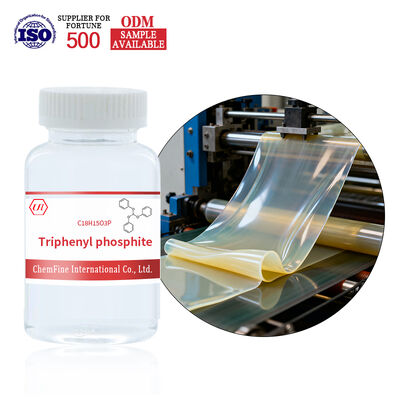
This product is widely used as a co-stabilizer in PVC formulations, where it reacts with metallic chlorides to prevent dehydrochlorination and minimize initial coloring during extrusion.

Polymer Antioxidant and Color Stabilizer

It serves as a critical antioxidant for various polymers, including polyethylene, polypropylene, and polyurethanes, effectively inhibiting oxidative degradation and maintaining the transparency of the finished material.

Chemical Intermediate in Organic Synthesis

TPP acts as a versatile intermediate and catalyst in the production of complex organic phosphites, halogenated flame retardants, and high-purity agricultural chemicals.

Packaging

Standard industrial packaging options for Triphenyl phosphite include:

  • 200kg or 250kg galvanized iron drums or high-density polyethylene (HDPE) drums.

  • 1000kg or 1250kg IBC tanks for bulk manufacturing requirements.

  • ISO Tanks for large-scale international maritime transport.

  • Small-volume sample packaging available upon request for quality evaluation.

Storage

Triphenyl phosphite should be stored in a cool, dry, and well-ventilated warehouse. It is sensitive to moisture and can undergo slow hydrolysis; therefore, containers must be kept tightly sealed and protected from humidity. Store away from strong oxidizing agents and water. Ensure the storage area is protected from direct sunlight and kept at a moderate temperature to prevent crystallization or degradation.

Synonyms

Phosphorous acid triphenyl ester, TPP, Triphenylphosphite, Phenyl phosphite.

Basic Physical Properties
Property Value/Description
CAS Number 101-02-0
Molecular Formula $C_{18}H_{15}O_{3}P$
Molecular Weight 310.28
EINECS Number 202-908-4
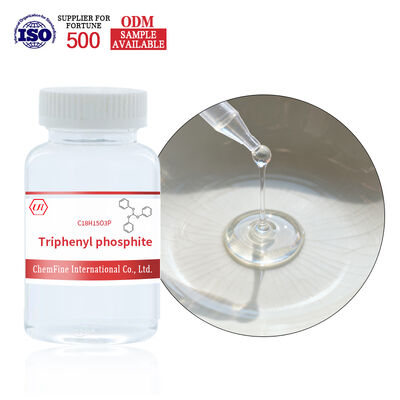
Appearance Colorless to pale yellow transparent liquid
Melting Point 22°C - 25°C
Boiling Point 360°C
Density 1.184 $g/cm^{3}$
Flash Point 210°C
Refractive Index 1.588 - 1.590
Certificate of Analysis (COA)
Test Item Specification Standard
Appearance Colorless to light yellow liquid
Purity (by GC) ≥ 99.0%
Free Phenol ≤ 1.0%
Color (APHA) ≤ 50
Specific Gravity 1.180 - 1.190
Refractive Index 1.587 - 1.591
Related and Similar Products
  1. Tributyl phosphite (TBP) – CAS 102-85-2

  2. Tris(nonylphenyl) phosphite (TNPP) – CAS 26523-78-4

  3. Diphenyl isodecyl phosphite (DPDP) – CAS 26544-23-0

  4. Isodecyl diphenyl phosphite – CAS 26544-23-0

  5. Tris(2,4-di-tert-butylphenyl) phosphite – CAS 31570-04-4

  6. Triphenyl phosphine (TPP) – CAS 603-35-0

  7. Dioctyl phosphite – CAS 3111-14-6

  8. Phenyldidecyl phosphite – CAS 25550-98-5

  9. Trioctyl phosphite (TOP) – CAS 3011-14-1

  10. Dibenzyl phosphite – CAS 17176-77-1

FAQ

PVC Secondary Heat Stabilizer

  • How does TPP prevent discoloration in PVC?

    It reacts with labile chlorine atoms and prevents the formation of conjugated polyene sequences, which are the primary cause of yellowing.

  • Can it be used alongside Zinc/Calcium stabilizers?

    Yes, it is highly synergistic with Zn/Ca systems, acting as a chelating agent to prevent "zinc burning" and improve heat stability.

  • Is TPP suitable for food-contact PVC applications?

    Regulatory status varies by region; please consult our technical datasheet for specific FDA or EU compliance levels for your final product.

Polymer Antioxidant and Color Stabilizer

  • What is the typical addition level in polyolefins?

    The recommended dosage usually ranges from 0.1% to 0.5% depending on the polymer type and processing conditions.

  • Does it improve the transparency of resins?

    Yes, by preventing oxidation and secondary chemical reactions during melting, it helps maintain high optical clarity in transparent materials.

  • Does TPP protect against UV degradation?

    While it is an antioxidant for thermal processing, it is often paired with UV absorbers for comprehensive protection against outdoor weathering.

Chemical Intermediate in Organic Synthesis

  • What role does it play as a catalyst?

    TPP can act as a ligand or a precursor to ligands in various transition-metal catalyzed reactions, particularly in hydroformylation processes.

  • Can it be used to synthesize other phosphite esters?

    Yes, through transesterification reactions with different alcohols, it serves as a starting material for specialized phosphite additives.

  • How do you handle the potential phenol release in reactions?

    Standard safety protocols for handling phenol should be followed, including proper ventilation and use of personal protective equipment during the reaction.

Goede prijs  online

Details Van De Producten

Huis > Producten >
Divers Chemisch product
>
Triphenyl phosphite TPP CAS 101-02-0 Polymer Stabilizer

Triphenyl phosphite TPP CAS 101-02-0 Polymer Stabilizer

Merknaam: Chemfine
Detailinformatie
Plaats van herkomst:
China
Merknaam:
Chemfine
Markeren:

Triphenyl phosphite polymer stabilizer

,

TPP chemical CAS 101-02-0

,

Polymer stabilizer phosphite compound

Productomschrijving
Product Introduction

Triphenyl phosphite, frequently referred to as TPP, is a high-performance organophosphorus compound primarily utilized as a secondary stabilizer and antioxidant in the plastics and polymer industries. It functions as a powerful chelating agent and color inhibitor, preventing the degradation of materials during high-temperature processing. TPP is essential for maintaining the clarity and mechanical integrity of various synthetic resins and elastomers. Due to its excellent compatibility and efficiency, it is a standard additive for formulators seeking to improve the longevity and aesthetic quality of industrial plastic products.

Applications

PVC Secondary Heat Stabilizer

This product is widely used as a co-stabilizer in PVC formulations, where it reacts with metallic chlorides to prevent dehydrochlorination and minimize initial coloring during extrusion.

Polymer Antioxidant and Color Stabilizer

It serves as a critical antioxidant for various polymers, including polyethylene, polypropylene, and polyurethanes, effectively inhibiting oxidative degradation and maintaining the transparency of the finished material.

Chemical Intermediate in Organic Synthesis

TPP acts as a versatile intermediate and catalyst in the production of complex organic phosphites, halogenated flame retardants, and high-purity agricultural chemicals.

Packaging

Standard industrial packaging options for Triphenyl phosphite include:

  • 200kg or 250kg galvanized iron drums or high-density polyethylene (HDPE) drums.

  • 1000kg or 1250kg IBC tanks for bulk manufacturing requirements.

  • ISO Tanks for large-scale international maritime transport.

  • Small-volume sample packaging available upon request for quality evaluation.

Storage

Triphenyl phosphite should be stored in a cool, dry, and well-ventilated warehouse. It is sensitive to moisture and can undergo slow hydrolysis; therefore, containers must be kept tightly sealed and protected from humidity. Store away from strong oxidizing agents and water. Ensure the storage area is protected from direct sunlight and kept at a moderate temperature to prevent crystallization or degradation.

Synonyms

Phosphorous acid triphenyl ester, TPP, Triphenylphosphite, Phenyl phosphite.

Basic Physical Properties
Property Value/Description
CAS Number 101-02-0
Molecular Formula $C_{18}H_{15}O_{3}P$
Molecular Weight 310.28
EINECS Number 202-908-4
Appearance Colorless to pale yellow transparent liquid
Melting Point 22°C - 25°C
Boiling Point 360°C
Density 1.184 $g/cm^{3}$
Flash Point 210°C
Refractive Index 1.588 - 1.590
Certificate of Analysis (COA)
Test Item Specification Standard
Appearance Colorless to light yellow liquid
Purity (by GC) ≥ 99.0%
Free Phenol ≤ 1.0%
Color (APHA) ≤ 50
Specific Gravity 1.180 - 1.190
Refractive Index 1.587 - 1.591
Related and Similar Products
  1. Tributyl phosphite (TBP) – CAS 102-85-2

  2. Tris(nonylphenyl) phosphite (TNPP) – CAS 26523-78-4

  3. Diphenyl isodecyl phosphite (DPDP) – CAS 26544-23-0

  4. Isodecyl diphenyl phosphite – CAS 26544-23-0

  5. Tris(2,4-di-tert-butylphenyl) phosphite – CAS 31570-04-4

  6. Triphenyl phosphine (TPP) – CAS 603-35-0

  7. Dioctyl phosphite – CAS 3111-14-6

  8. Phenyldidecyl phosphite – CAS 25550-98-5

  9. Trioctyl phosphite (TOP) – CAS 3011-14-1

  10. Dibenzyl phosphite – CAS 17176-77-1

FAQ

PVC Secondary Heat Stabilizer

  • How does TPP prevent discoloration in PVC?

    It reacts with labile chlorine atoms and prevents the formation of conjugated polyene sequences, which are the primary cause of yellowing.

  • Can it be used alongside Zinc/Calcium stabilizers?

    Yes, it is highly synergistic with Zn/Ca systems, acting as a chelating agent to prevent "zinc burning" and improve heat stability.

  • Is TPP suitable for food-contact PVC applications?

    Regulatory status varies by region; please consult our technical datasheet for specific FDA or EU compliance levels for your final product.

Polymer Antioxidant and Color Stabilizer

  • What is the typical addition level in polyolefins?

    The recommended dosage usually ranges from 0.1% to 0.5% depending on the polymer type and processing conditions.

  • Does it improve the transparency of resins?

    Yes, by preventing oxidation and secondary chemical reactions during melting, it helps maintain high optical clarity in transparent materials.

  • Does TPP protect against UV degradation?

    While it is an antioxidant for thermal processing, it is often paired with UV absorbers for comprehensive protection against outdoor weathering.

Chemical Intermediate in Organic Synthesis

  • What role does it play as a catalyst?

    TPP can act as a ligand or a precursor to ligands in various transition-metal catalyzed reactions, particularly in hydroformylation processes.

  • Can it be used to synthesize other phosphite esters?

    Yes, through transesterification reactions with different alcohols, it serves as a starting material for specialized phosphite additives.

  • How do you handle the potential phenol release in reactions?

    Standard safety protocols for handling phenol should be followed, including proper ventilation and use of personal protective equipment during the reaction.